
Trauma & Biohazard
Vehicle Biohazard Cleanup Austin TX
Certified biohazard remediation for cars, trucks, vans, and fleet vehicles.
Vehicles involved in trauma or death pose unique challenges — confined spaces concentrate exposure risk, and upholstery retains biological material at depth. Standard detailing isn't OSHA-certified for this work; we are, and we provide full documentation for insurance or fleet return-to-service.
All services performed with complete discretion. Unmarked vehicles available upon request. We work directly with your insurance company and can assist with NDAs.
Overview
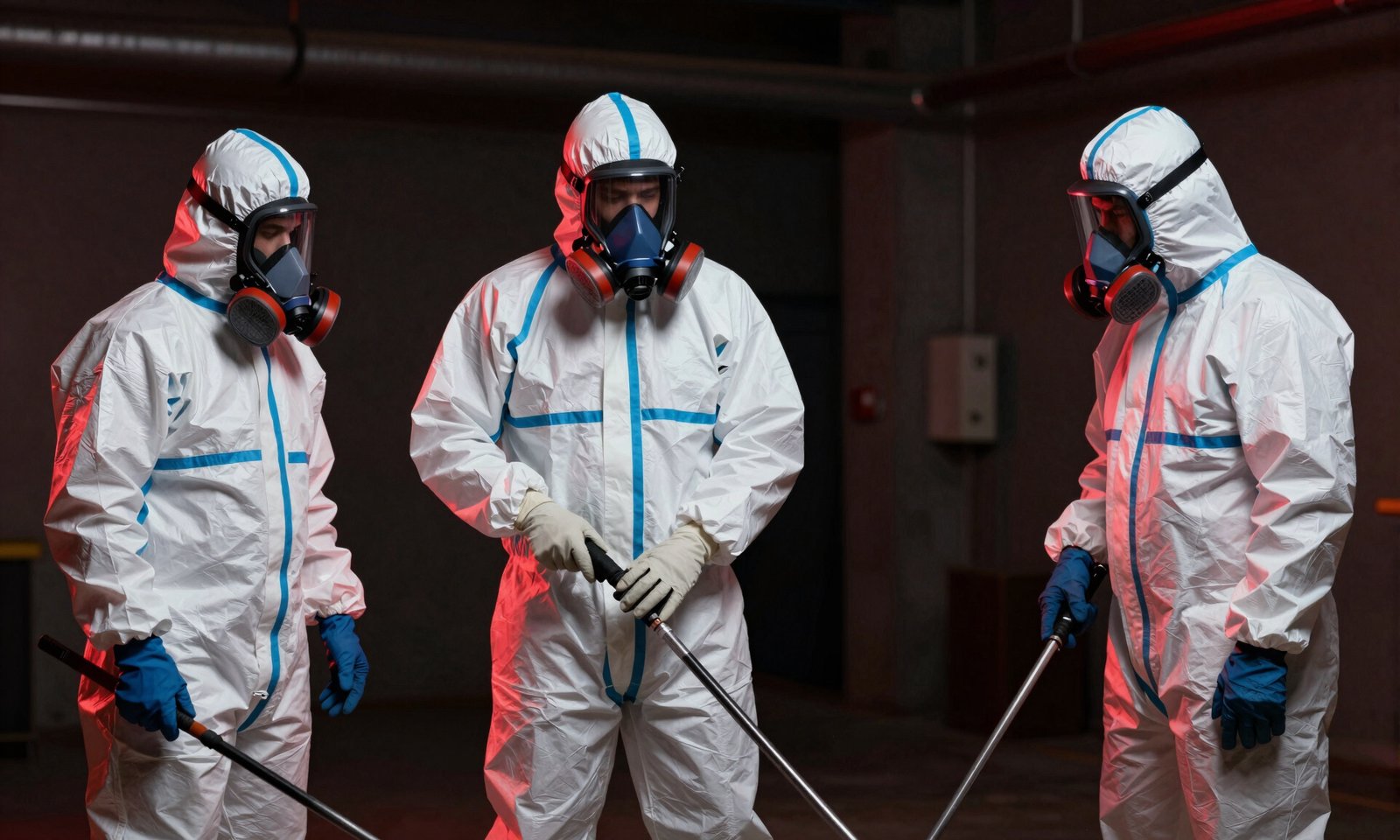
A vehicle that has been the site of a trauma event, unattended death, drug use, fentanyl exposure, or other biological contamination presents serious health risks that standard auto detailing is not equipped to address. Auto detailers use commercial cleaners and physical scrubbing — neither of which constitutes biohazard remediation. Biological fluids penetrate into upholstery foam, carpet backing, door panel cavities, and the vehicle's air circulation system — and can harbor dangerous pathogens for extended periods far beyond what is visible on the surface. AAA Disaster Recovery provides certified vehicle biohazard cleanup across Austin, using OSHA-compliant protocols, EPA-registered disinfectants, and proper biohazard waste disposal to restore contaminated vehicles to safe condition — or to document total contamination loss for insurance purposes. We serve individuals, law enforcement agencies, fleet operators, rental car companies, and auto dealers throughout Central Texas.
Our Process
How We Restore Safety
Vehicle Assessment & Contamination Mapping
Certified technicians conduct a complete interior inspection to identify all contamination zones — seating, flooring, cargo areas, door panels, console, headliner, and HVAC vents. The full scope is documented before any work begins.
Contaminated Material Removal
Upholstery, seat foam, carpeting, floor mats, headliner, and any other soft materials with biological or chemical saturation are removed and packaged as regulated biohazard waste for licensed disposal. In some cases, door panels and trunk liners must also be removed.
Hard Surface Pre-Cleaning
All remaining hard interior surfaces — dashboard, door panels, console, seatbelt hardware, grab handles, and structural components — are physically pre-cleaned to remove all visible material before disinfection.
EPA-Registered Disinfection
Hospital-grade EPA-registered disinfectants proven effective against HIV, Hepatitis B/C, MRSA, fentanyl surface residue, and other bloodborne pathogens are applied to all hard surfaces. Dwell times are observed per manufacturer specifications.
HVAC & Air Circulation Decontamination
The vehicle's climate control and air circulation system is treated to neutralize any biological or chemical contaminants that have entered the HVAC intake or ductwork. Contaminated air being recirculated through the cabin is a significant secondary exposure risk that is often overlooked.
Molecular Deodorization
Ozone treatment is applied to the fully sealed vehicle interior to neutralize biological and chemical odors at the molecular level. This process treats all interior surfaces and airspaces simultaneously and eliminates odors completely rather than masking them.
Post-Treatment Inspection
A thorough post-treatment inspection confirms complete visual decontamination and odor elimination. Any areas requiring additional treatment are addressed before the vehicle is returned.
Remediation Documentation
A full remediation report is provided documenting the scope of contamination, materials removed, disinfectants used, application methods, and post-treatment condition — suitable for insurance claims, fleet management records, and total loss documentation.
What's Included
Full Scope of Service
- Blood and trauma contamination remediation
- Unattended death and decomposition vehicle cleanup
- Fentanyl and drug residue decontamination
- Upholstery, carpet, and foam removal and disposal
- Hard surface EPA-registered disinfection
- HVAC and air circulation system treatment
- Ozone molecular deodorization
- Certified biohazard waste disposal
- Total loss contamination documentation
- Law enforcement and fleet vehicle service
- Rental and dealer vehicle decontamination
- Full insurance documentation provided
Common Questions
FAQs
Can a car be fully restored after a biohazard event?
In most cases, yes. Hard surfaces — dashboard, door panels, glass, structural components — can typically be fully decontaminated. Porous materials including seats, carpet, headliner, and padding are removed and replaced if contaminated. For vehicles with severe decomposition or chemical contamination, we provide a total loss documentation package for insurance purposes when restoration is not cost-effective.
Why can't a detailer handle this?
Auto detailers are not trained in biohazard protocols, do not use EPA-registered disinfectants at certified kill concentrations, do not remove contaminated porous materials to regulated waste standards, and are not equipped with appropriate PPE for bloodborne pathogen exposure. Using a detailer for a biohazard situation is a liability risk for the vehicle owner and a health risk for the detailer.
Do you service fleet and commercial vehicles?
Yes. We work with law enforcement agencies, EMS and ambulance services, ride-share operators, transportation companies, rental fleets, school bus operators, and other commercial vehicle operators. We understand the operational urgency of returning fleet vehicles to service quickly and work efficiently to minimize downtime.
How long does vehicle biohazard cleanup take?
Most vehicles are completed within one business day — typically 4–8 hours of active work, followed by ozone treatment time. Vehicles requiring extensive material removal or multiple contamination categories may require additional time. We provide a timeline estimate before beginning work.
Is vehicle biohazard cleanup covered by insurance?
Comprehensive auto insurance typically covers biohazard remediation when it results from a covered event — such as an accident, crime, or death in the vehicle. Commercial fleet policies and specialized transportation policies often include biohazard provisions. Homeowners insurance may also apply in some circumstances. We provide documentation for all claim types.
What about fentanyl exposure in a vehicle?
Fentanyl contamination in a vehicle is one of the most serious situations we handle. The confined space of a vehicle concentrates any airborne or surface residue, and standard cleaning does not address fentanyl at the molecular level. We use fentanyl-specific decontamination protocols and can provide surface testing to confirm clearance before the vehicle is returned to service.
Can you work on-site or do you need the vehicle at a facility?
We can work on-site wherever the vehicle is located — at a residence, a business parking lot, a law enforcement impound facility, or a fleet yard. We bring all equipment and supplies to the vehicle. For situations requiring more extensive work or ozone treatment in a fully sealed environment, we may recommend moving the vehicle to a covered work area.
Vehicle Contamination Handled Professionally.
Certified vehicle biohazard cleanup across Austin and all of Central Texas. Available 24/7.