
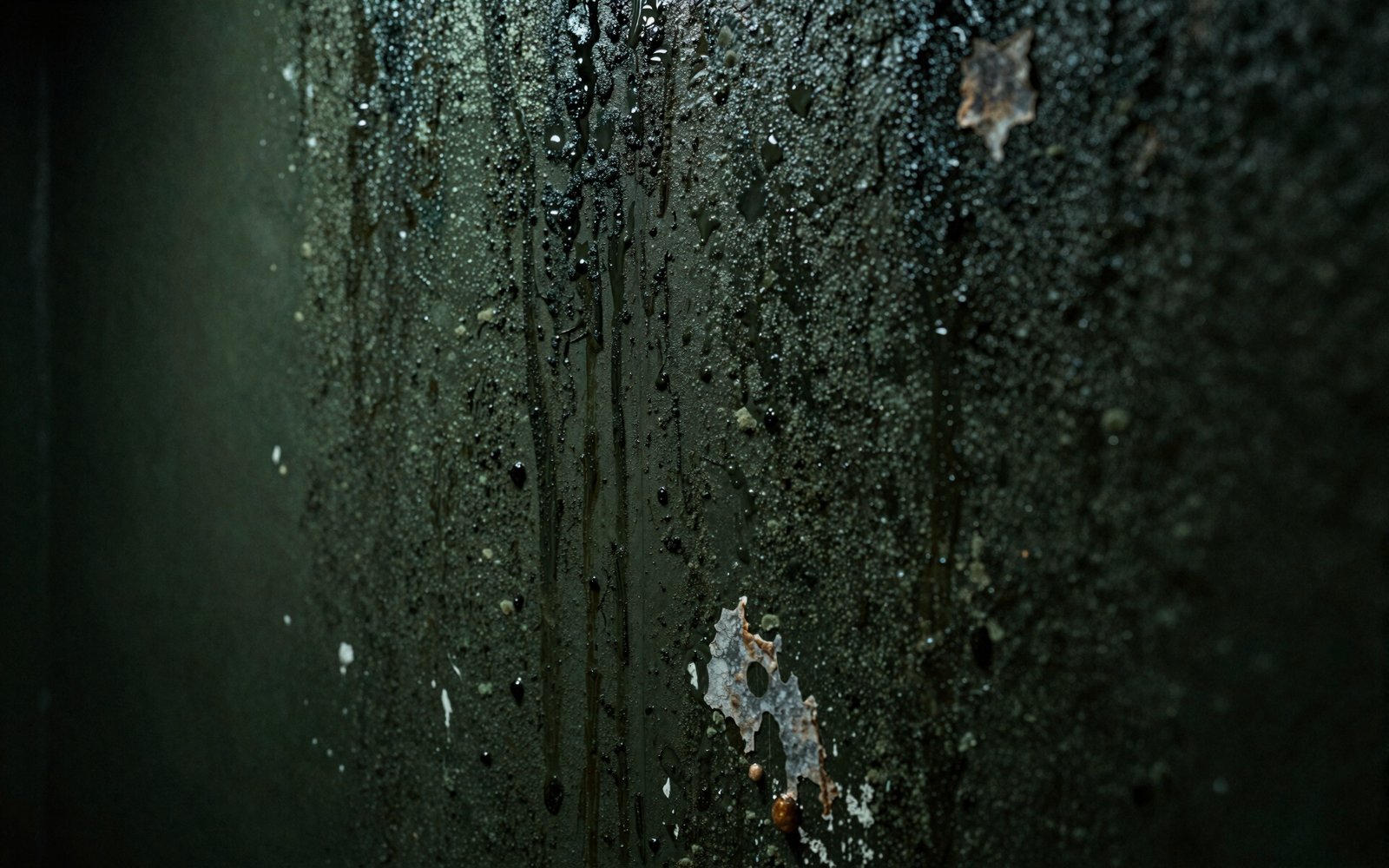
Mold Remediation
Mold After
Water Damage
Mold starts in 24–48 hours. The window to stop it is short.
Every water damage event — whether from a burst pipe, roof leak, appliance failure, or flood — carries the risk of mold growth within 24–48 hours if materials aren't properly dried. Many homeowners complete water damage restoration without realizing residual moisture in wall cavities, under flooring, and inside insulation has already seeded a mold colony. AAA Disaster Recovery addresses both phases: aggressive drying to prevent mold, and certified remediation if mold has already taken hold.
Our Process
How We Handle It
01
Post-Water-Damage Assessment
We inspect all areas impacted by the water event using moisture meters and thermal imaging to locate hidden moisture in walls, floors, and ceiling cavities.
02
Aggressive Structural Drying
Commercial dehumidifiers and air movers are deployed to achieve dry standard before the 48-hour mold growth window closes.
03
Mold Screening
If drying was delayed or any materials remain elevated in moisture, we perform air and surface sampling to check for early-stage mold colonization.
04
Containment & Removal
Confirmed mold growth is immediately contained with negative air pressure barriers and affected materials are removed per IICRC S520 protocol.
05
Antimicrobial Prevention Treatment
Even when mold has not yet formed, EPA-registered antimicrobials are applied to all water-affected surfaces as a preventive measure during the drying process.
06
Clearance Testing & Rebuild
Post-remediation air sampling confirms clearance standards are met before reconstruction of any removed materials begins.
What's Included
Full Scope of Service
Common Questions
FAQs
How quickly can mold grow after water damage?
Mold spores are always present in the air. Given moisture, warmth, and an organic food source (drywall paper, wood framing), active mold colonies can establish in as little as 24–48 hours.
My water damage was "dried out" — can mold still grow?
Yes, if drying was incomplete. Moisture meters can confirm that walls and flooring read dry, but insulation inside walls and subfloor materials may still hold elevated moisture that allows mold to grow out of sight.
Should I get a mold test after any water damage event?
We recommend testing if: drying took more than 3–4 days, any materials were not fully dried before being sealed or painted over, a musty odor developed after the event, or visible discoloration appeared weeks later.
Can I file one combined insurance claim for water damage and mold?
Yes. When mold results directly from a covered water damage event, both can typically be included in a single claim. We document the causal chain clearly to make this as straightforward as possible for your adjuster.
Had Water Damage? Get Checked for Mold.
Mold prevention and remediation after water damage across Austin, Round Rock, Cedar Park, and surrounding areas.