
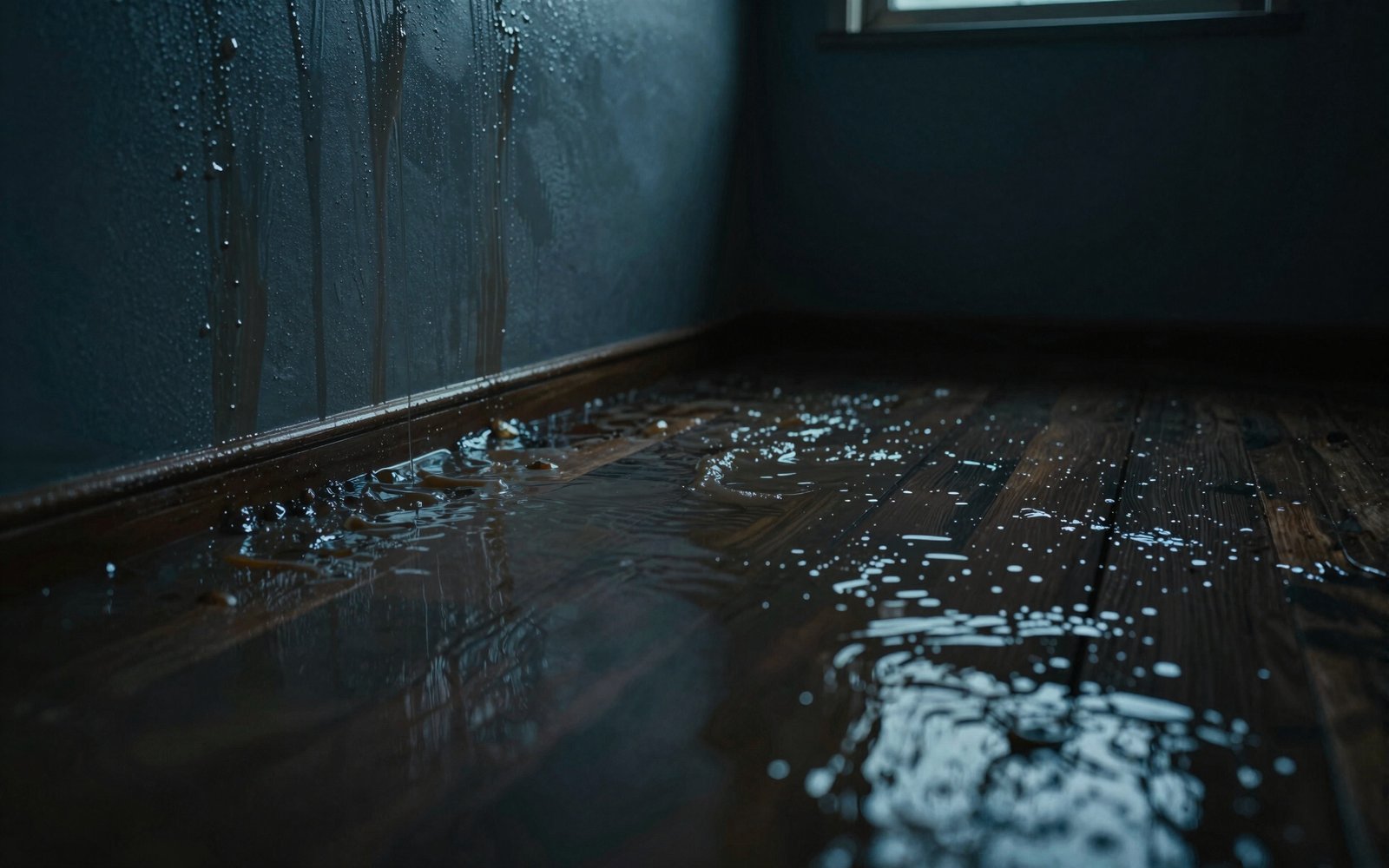
Water Damage
Sewage Backup
Cleanup Austin TX
Category 3 biohazard water — handled safely and completely.
Sewage is a Category 3 biohazard — the most dangerous classification in water damage. Standard restoration crews are not equipped to handle it safely. We are certified, equipped, and on-call 24/7.
What We Do
Our Process
Sewage backups are classified as Category 3 (black water) — the highest hazard level in water damage restoration. Raw sewage contains E. coli, hepatitis A, norovirus, and other pathogens capable of causing serious illness through contact or inhalation of aerosolized particles. In Austin, aging municipal infrastructure, tree root intrusion, and heavy rainfall events that overwhelm the city sewer system are all common triggers. AAA Disaster Recovery is fully IICRC-certified for Category 3 remediation. We establish containment, remove all sewage and contaminated porous materials, apply hospital-grade disinfection, and eliminate odor at the source — not just mask it. Your home isn't clean until it tests clean.
Biohazard Assessment & Safety Protocol
We classify the contamination level, establish entry protocols, and suit up in full PPE before any crew member enters the affected area.
Containment Establishment
Negative air pressure barriers seal off the affected zone to prevent cross-contamination from spreading sewage-borne pathogens to clean areas of the home.
Sewage Removal & Extraction
All sewage water, solids, and contaminated debris are removed using regulated equipment and disposed of per OSHA and local health authority requirements.
Contaminated Material Removal
Porous materials that cannot be decontaminated — including drywall, insulation, carpet, and pad — are removed, bagged, and disposed of per biohazard waste regulations.
Structural Drying
After extraction, commercial drying equipment brings all remaining structural materials to dry standard to prevent secondary moisture damage.
Hospital-Grade Disinfection
EPA-registered antimicrobial agents are applied to all affected surfaces — floors, walls, subfloor framing, and concrete — at certified dwell times for pathogen kill.
Odor Elimination & Air Clearance
Thermal fogging and hydroxyl generators neutralize sewage odors at the molecular level. Post-remediation air quality testing confirms clearance before we sign off.
FAQ
Common Questions
Is sewage backup dangerous to my family's health?
Yes, seriously so. Sewage contains E. coli, hepatitis A, norovirus, salmonella, and a range of other pathogens. Contact through open cuts, mucous membranes, or inhalation of aerosolized particles from the cleanup process are all viable exposure routes. You should not enter a sewage-affected area without full PPE. Call us immediately and keep everyone — including pets — out of the affected space.
What causes sewage backups in Austin homes?
The most common causes in the Austin area are tree root intrusion into aging clay or cast-iron sewer laterals, blockages from grease and non-flushable wipes, and city sewer surges during heavy rainfall events that overwhelm municipal capacity and push effluent back into residential connections. Homes on older lots in central Austin neighborhoods are particularly susceptible.
Can I clean up sewage myself?
We strongly advise against it. Sewage cleanup requires OSHA-grade PPE, regulated disposal of contaminated materials, and EPA-registered disinfectants applied at certified dwell times. DIY attempts almost always leave dangerous pathogens behind in porous surfaces that appear clean to the eye. They also frequently create problems with insurance claims, as undocumented or inadequate remediation can result in denied coverage.
Does homeowner insurance cover sewage backup cleanup?
Standard homeowner policies frequently exclude sewage backup unless you have purchased a sewage backup endorsement or rider. However, if the backup was caused by a covered sudden event (such as a municipal sewer surge during a storm), coverage may apply under different policy language. We help you navigate the claim and can refer you to a licensed public adjuster if your claim is disputed.
How long does sewage cleanup take?
For a contained backup — typically a single bathroom or utility area — the extraction, decontamination, and initial drying setup can be completed within one day. Structural drying then runs for 3–5 additional days. Larger events involving multiple rooms or subfloor contamination require more time. We provide a detailed scope and timeline at the initial assessment.
Sewage Backup? Don't Wait.
Sewage is a biohazard. Our certified team is available 24/7 to safely remove and decontaminate your Austin-area home.