
Trauma & Biohazard
Fentanyl & Drug Lab Decontamination Austin TX
Certified chemical decontamination for fentanyl exposure, meth labs, and drug-related contamination.
Fentanyl is lethal at doses invisible to the naked eye, and contaminated surfaces pose a real exposure risk through skin contact even after drugs are removed. A certified clearance certificate is required before the property can be legally re-occupied, sold, or rented — we provide full decontamination and all required documentation.
All services performed with complete discretion. Unmarked vehicles available upon request. We work directly with your insurance company and can assist with NDAs.
Overview
Fentanyl and methamphetamine contamination are among the most dangerous chemical hazards a residential or commercial property can face — and among the least visible. As little as 2 milligrams of fentanyl is potentially lethal, and surface residue from fentanyl use, storage, or processing can cause life-threatening exposure through skin contact or inhalation in concentrations far below what is visible or detectable by smell. Methamphetamine manufacturing leaves behind a complex mixture of corrosive chemicals, heavy metals, solvents, and precursors that permeate walls, flooring, HVAC systems, and porous structural materials — creating a toxic environment that affects every future occupant. Standard cleaning cannot address these hazards. AAA Disaster Recovery provides certified drug lab and fentanyl decontamination across Austin, following Texas Department of State Health Services (DSHS) protocols and using independent laboratory-verified testing to confirm that residue levels meet re-occupancy standards before the property is returned. Every remediation includes pre-testing, certified removal, independent post-testing, and a written clearance certificate — so property owners, landlords, and future occupants have documented proof that the property is safe.
Our Process
How We Restore Safety
Hazard Assessment & Pre-Remediation Testing
Certified technicians conduct comprehensive surface sampling for fentanyl, methamphetamine, and associated chemical residues using laboratory-grade collection kits. Samples are submitted to an independent certified laboratory to establish baseline contamination levels and guide the remediation scope.
Regulatory Notification & Compliance Planning
We assist property owners with required notifications to Texas DSHS and local authorities where applicable, and develop a remediation protocol that meets all state-mandated requirements for drug-contaminated property cleanup.
PPE Donning & Site Preparation
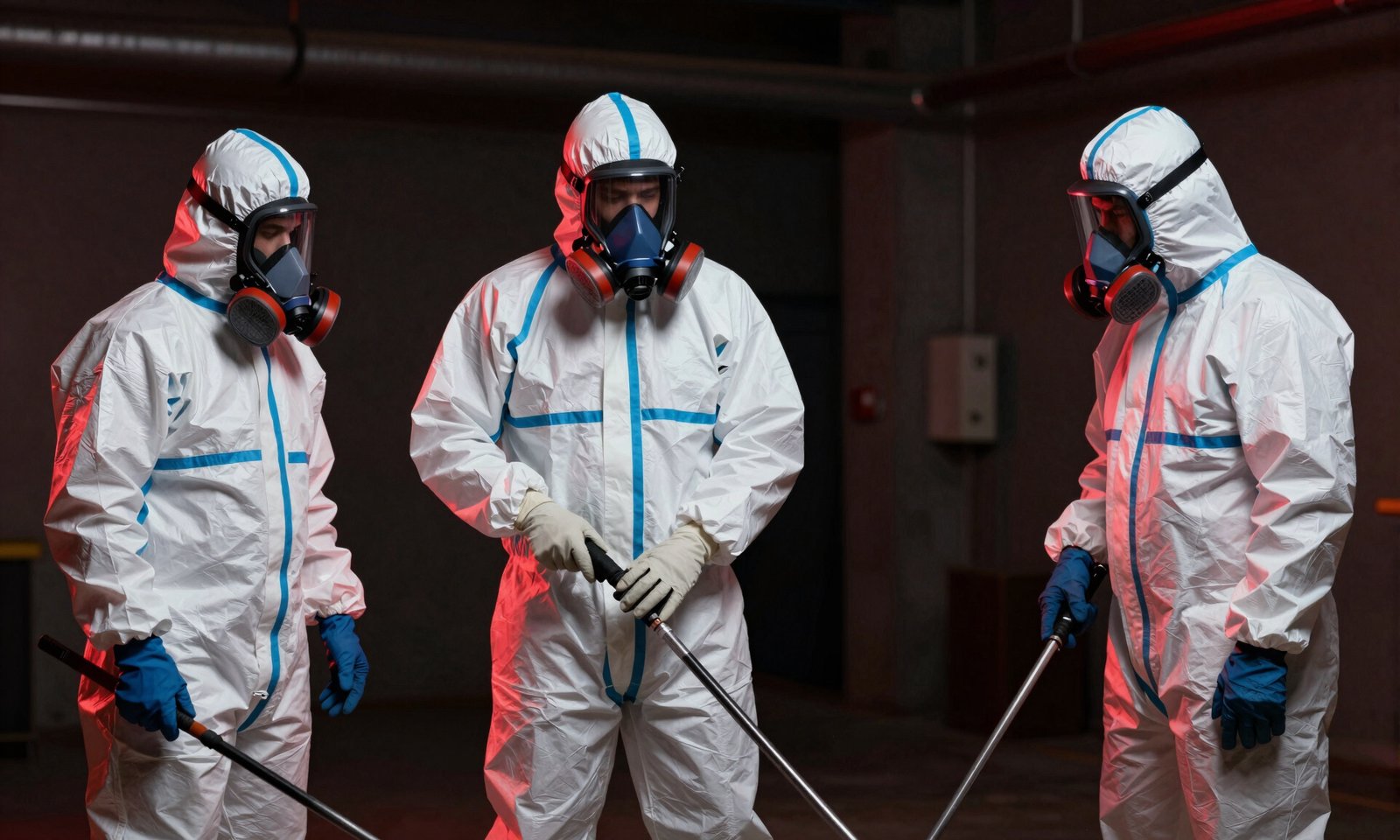
All technicians don appropriate PPE — including fentanyl-rated full-face respirators (NIOSH-approved PAPR or supplied-air), chemical-resistant suits, and gloves — before entering any potentially contaminated area. Work areas are isolated to prevent cross-contamination.
Contaminated Material Removal
All porous materials that have absorbed chemical contamination — drywall, flooring, insulation, HVAC filters, soft goods — are removed and packaged as regulated chemical waste. Metal, glass, and sealed hard surfaces are assessed individually for salvageability after decontamination.
Chemical-Specific Surface Decontamination
Structural surfaces receive application of chemical-specific neutralizing agents and EPA-registered decontaminants appropriate for the specific compounds present. HVAC components, ductwork, and ventilation systems are treated to prevent residue recirculation.
HVAC & Ventilation System Treatment
Air handling equipment and ductwork are cleaned, treated, and in some cases replaced. Fentanyl and meth residues in HVAC systems can recontaminate treated spaces through air circulation — this step is non-negotiable for long-term clearance.
Post-Remediation Independent Laboratory Testing
After all decontamination work is complete, independent surface samples are collected by a certified third party and submitted to an accredited laboratory. This step — not conducted by our own team — provides an unbiased confirmation of clearance.
Clearance Certificate & Documentation
Upon laboratory confirmation that all residue levels meet Texas DSHS re-occupancy standards, we issue a written clearance certificate. This document, along with the full remediation record, is provided to property owners for permanent retention and disclosure requirements.
What's Included
Full Scope of Service
- Fentanyl surface residue testing and decontamination
- Methamphetamine lab chemical remediation
- Texas DSHS protocol compliance
- Pre-remediation laboratory surface testing
- Fentanyl-rated PPE on all technicians
- Contaminated porous material removal and disposal
- Chemical-specific neutralizing agent application
- HVAC and ductwork decontamination or replacement
- Regulated chemical waste transport and disposal
- Independent post-remediation laboratory testing
- Written clearance certificate provided
- Texas DSHS re-occupancy standard compliance
Common Questions
FAQs
How dangerous is fentanyl contamination in a property?
Extremely dangerous. As little as 2 milligrams of fentanyl can cause a fatal overdose. Surface residue from fentanyl use or storage can cause exposure through skin contact or inhalation in concentrations far below what is visible. First responders have experienced overdoses from incidental contact at contaminated scenes. Properties should not be re-entered by unprotected individuals until professionally tested and cleared.
Is meth lab contamination visible?
Often not. Methamphetamine residue is typically colorless and may be present at dangerous concentrations without any visible discoloration. Some meth labs leave yellowing on walls or corrosive damage to plumbing, but many properties show no visible signs of contamination. Laboratory testing is the only reliable way to confirm contamination levels and verify post-remediation clearance.
Are you required to report drug lab contamination to authorities?
Reporting requirements depend on how the contamination was discovered. If law enforcement was involved in a raid or arrest, they typically handle regulatory notification. Landlords who discover contamination after a tenant's departure have their own notification obligations under Texas DSHS regulations. We help property owners understand their specific obligations and assist with required notifications.
Does insurance cover drug lab or fentanyl decontamination?
Some homeowners policies cover decontamination when the contamination was caused by a third party — such as a tenant or criminal activity — and reported as a covered property damage event. Coverage varies significantly by policy. We provide full documentation including pre- and post-testing results, work scope, and waste disposal manifests to support any applicable insurance claims.
What is a clearance certificate and why do I need it?
A clearance certificate is a written document issued after independent laboratory testing confirms that all chemical residues in a remediated property meet Texas DSHS re-occupancy standards. It protects you legally — demonstrating due diligence in remediation — and provides future occupants, buyers, or tenants with documented proof that the property is safe. In Texas, disclosure of known drug contamination is required at the time of property sale.
How does fentanyl decontamination differ from meth lab cleanup?
Fentanyl decontamination focuses on removing an extremely potent opioid residue that is dangerous at trace amounts — requiring specialized testing methods and fentanyl-rated respiratory protection. Meth lab cleanup addresses a broader range of toxic chemicals used in manufacturing, including corrosive solvents, heavy metals, and precursor compounds. Many properties involve both, and our protocols address each compound class specifically.
Can the property be sold after drug lab decontamination?
Yes — with proper documentation. Texas law requires disclosure of known drug contamination at the time of sale. Once remediation is complete and a clearance certificate is issued documenting that the property meets DSHS standards, it can be legally sold. We provide the documentation package sellers and their real estate attorneys need to handle disclosure correctly.
Don't Enter Without Testing. Call Now.
Certified fentanyl and drug lab decontamination across Austin and all of Central Texas. Available 24/7.